
Exploding Kittens® 2
Marmalade Game StudioBoard
4.6462.00 Reviews
- Version
- 1.0.0
- Installs
- 50.00K
- Age Rating
- Everyone 10+
Screenshots
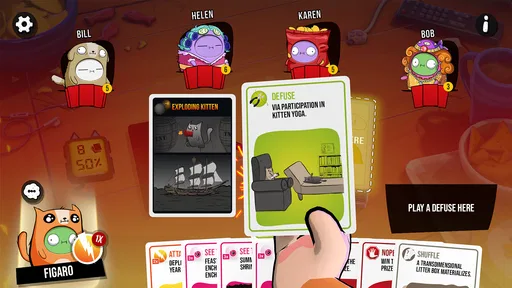
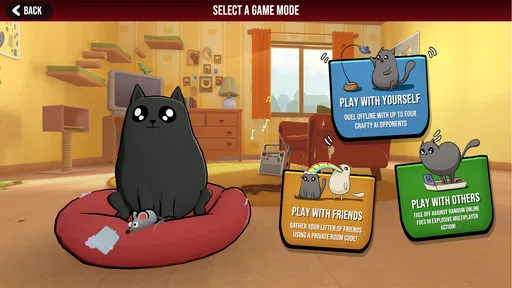
Our Review of Exploding Kittens® 2
 Analysis by Appyee
I spent time with Exploding Kittens® 2 as a digital board game, and my first impression was that it understands why the original card game works so well: the rules are easy to grasp, but every turn can suddenly become tense, silly, or completely unfair in the funniest possible way. This version is developed by Marmalade Game Studio and presents the explosive cat theme in a format that suits quick sessions on a phone or tablet.
The important buying detail is straightforward. The game costs $4.99, and it also lists in-app purchases ranging from $0.99 to $9.99 per item. That makes it a paid game rather than a free download that happens to offer optional spending. I think that distinction matters here, because the value depends on whether you already enjoy the physical card game or regularly want a compact board-game session on your device.
How the digital version feels in actual play
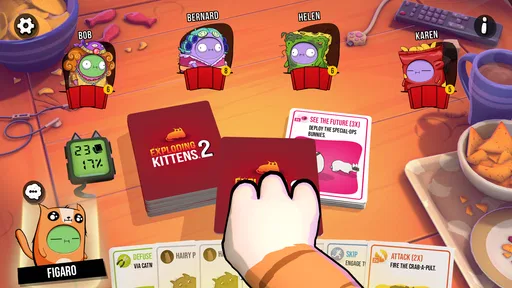
The central appeal is still the same kind of push-and-pull that makes a good tabletop card game memorable. You try to avoid the dangerous card, manipulate the order of play, and keep enough options in hand to survive an unexpected turn. The digital format removes the need to shuffle, deal, collect cards, or explain every small handling detail to a group. I can start a match much faster than I can set up the physical version, which is especially useful when I only have a short break.
That convenience does not make the decisions shallow. A strong turn is rarely just about using the most powerful card immediately. I found myself weighing whether to spend a useful response now or hold it for the next player, when the risk may be higher. The best moments come from that uncertainty: I may think I have stabilized the round, only for another move to change the situation completely.
For newcomers, the learning curve is friendly. The board-game category can sometimes include complicated rulebooks, long explanations, or systems that are difficult to follow on a small screen. This game has a much more approachable starting point. You can understand the basic objective quickly, then improve by noticing patterns in how players protect themselves, pressure others, and time their actions.
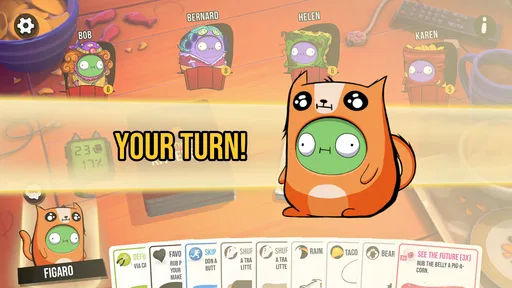
The digital presentation also helps with card recognition. In a physical game, a new player may need to ask what a card does, especially when several effects are being used quickly. On a touchscreen, the game can make the active choice clearer than a crowded table would. That is one of the less obvious advantages of this adaptation: it reduces the small moments of confusion that can slow down a casual group.
Why the short-session format works
I see this as a good choice for people who want a board-game feeling without committing to a full evening. It fits the kind of situation where friends are waiting for food, a family has a few spare minutes after dinner, or I want something more social than a solo puzzle but less demanding than a strategy game. The explosive theme keeps the mood light, while the card decisions give the session enough tension to avoid feeling like a completely random time filler.
That quick format also changes how I approach the game. I am more willing to experiment because a failed round does not feel like a major investment. If I misjudge a risky play, I can learn from it and try a different approach soon afterward. For experienced players, this creates room to test timing and bluffing ideas rather than treating every match as a serious competition.
There is a trade-off, though. The same sudden reversals that make the game entertaining can frustrate anyone who wants careful planning to dominate the outcome. You can make a smart decision and still be punished by the next draw or by another player’s counter. I enjoy that tension when I am playing with people who appreciate the joke and the chaos. If you prefer board games where a long-term plan reliably beats bad luck, this will probably feel less satisfying.
Playing with friends and introducing new players
The strongest use case is a group that already enjoys playful competition. I would recommend explaining the basic danger-and-response idea before the first match, then letting the game teach the rest through practice. Trying to describe every possibility in advance would make the experience sound more complicated than it is. New players usually learn faster by seeing one or two turns unfold.
One practical tip is to avoid treating the first round as a test of skill. It is better used as a learning round. Watch how the game communicates a threat, notice what options remain available, and pay attention to the timing of defensive actions. Once everyone understands the rhythm, the table becomes more lively because players start reacting to one another rather than simply reading card text.
Another useful habit is to discuss the outcome after a surprising turn. Instead of only laughing at the player who was caught out, I like asking what choice might have reduced the risk. That turns an apparently random result into a small lesson about conserving options and recognizing when a safe-looking move is actually dangerous. It is a simple way to make repeat sessions more interesting without adding house rules.
The game is marked Everyone 10+, which fits the cartoonish presentation and mischievous tone. I would still use personal judgment for younger children, particularly if they dislike elimination-style tension or become upset when a round changes abruptly. For older children, teenagers, and adults who enjoy harmless rivalry, the age guidance feels appropriate.
What the $4.99 purchase means for value
Because the upfront price is $4.99, I judge this less like a free casual download and more like a small digital board-game purchase. The question is not whether it costs nothing; it does not. The question is whether removing setup friction and keeping the game available on a mobile device is worth that entry price for your habits.
For me, the answer is more positive when I imagine repeated sessions with friends or family. A game that is played once and forgotten will not feel like a good purchase, but one that becomes a regular short activity can justify the cost more easily. The listed in-app purchases, from $0.99 to $9.99 per item, are also something I would consider before buying. I would decide in advance whether I am comfortable with optional spending rather than assuming the initial payment is the only possible cost.
I would not describe the purchase as automatically good value for every board-game fan. If you already own the physical game and usually have the cards nearby, the digital version mainly offers portability and faster setup. Those benefits are real, but they may not be enough to justify paying again. On the other hand, if your friends are spread out or your physical copy rarely gets played because setup is inconvenient, the mobile format has a clearer purpose.
The game has an average rating of 4.6 from around 3.1 thousand ratings, with around 462 written reviews, and it has passed 50 thousand installs. Those figures suggest that it has found an audience, but I would still use them as context rather than as a substitute for knowing your own preferences. A popular party game can be a poor fit for someone who dislikes luck-driven outcomes, while a niche title can be perfect for a particular group.
Where the adaptation may frustrate you
The biggest limitation is built into the design rather than the device: the game’s humor and tension depend on sudden reversals. Some players will call that exciting; others will call it arbitrary. If you want every loss to feel clearly earned by a strategic mistake, you may leave a session feeling that your decisions mattered less than the draw. I think the game works best when everyone accepts that surprise is part of the entertainment.
There is also a social difference between holding physical cards and playing on a screen. A tabletop game naturally creates conversation, visible reactions, and the fun of watching someone hesitate before making a move. A digital version can make turns cleaner and quicker, but it may also place more attention on the device than on the people around it. When I play in a group, I would treat the phone or tablet as the shared table rather than letting everyone disappear into separate screens.
The paid model can create another point of hesitation. The initial price is clear, but the presence of additional purchases means careful buyers should think about their spending boundary before starting. I would not buy it expecting unlimited free content or assuming that every future option is included, because the listed purchase range shows that extra items may be sold separately. That does not make the game poor value, but it does make the purchase decision more deliberate.
The current version is 1.0.0, and the game was released on August 12, 2024. For someone who prefers mature products with a long history of refinements, that early version label may encourage a little caution. I would pay attention to how comfortably the game fits my device and how consistently it behaves during real sessions rather than relying only on the attractive concept. The minimum operating-system requirement is Android 7.0, so compatibility is reasonably broad for Android users with older supported devices.
I also would not choose this as my main board game if I want a deep solo experience, a long campaign, or a carefully balanced competitive ladder. Its appeal is concentrated in fast, dramatic rounds and the reactions they create. A traditional strategy title is a better choice for quiet planning, while a word or trivia game may be better for a group that prefers conversation over direct attacks.
Small habits that improve repeat sessions
My first recommendation is to keep defensive options in reserve unless using one now creates a clear advantage. New players often spend everything simply because an action is available, then discover that they have no answer when the pressure rises. Saving a response can feel passive, but in this game patience is often a form of control.
I also suggest watching the order of turns instead of focusing only on the player immediately before you. A move that seems harmless against one opponent can become much more dangerous when it changes who acts next. Thinking one position further around the table gives the game more depth without requiring complicated calculations.
For a family session, I would use the first match to establish a relaxed tone and avoid overexplaining mistakes. For a group of experienced players, I would do the opposite: let everyone make their own calls, then discuss the cleverest risk afterward. The same rules support both kinds of evening, but the group’s attitude determines whether the game feels welcoming or overly competitive.
On a commute or short break, I would play only when I can give the round enough attention to follow the changing situation. The matches may be compact, but the important decisions can arrive quickly. Treating it as background entertainment while multitasking could make the outcome feel random simply because I missed the meaningful choices.
Who should buy it, and who should skip it
I think this is a good purchase for fans of the physical Exploding Kittens game who want a portable alternative, people looking for a light board game for casual gatherings, and players who enjoy luck mixed with tactical timing. It is also suitable for someone who wants to introduce friends to the style without carrying a box of cards or spending time organizing a table.
I would be more cautious if you are buying solely because the cat theme looks amusing. The artwork and tone may get you interested, but the lasting appeal comes from repeated confrontations, saving the right response, and accepting that a clever plan can collapse suddenly. If that kind of uncertainty is not fun for you, the theme alone will not fix the mismatch.
I would also skip it if you are trying to avoid paid games with optional purchases altogether. The base price is $4.99, and additional items are listed between $0.99 and $9.99. Even if you never buy anything beyond the game, that structure may not suit someone who wants a single, completely closed purchase. A different board-game adaptation with one upfront payment would be a cleaner choice for that audience.
For players seeking a serious strategy challenge, I would spend the money elsewhere. This is not trying to replace a long-form tactical board game. Its strength is the compact burst of suspense, the playful theme, and the way one decision can make everyone at the table react at once.
My final buying decision
After playing it, I see Exploding Kittens® 2 as a focused digital version of a chaotic party card game rather than a broad board-game collection. Marmalade Game Studio has a concept that translates naturally to mobile play because digital handling makes setup faster and card effects easier to follow. The result is most enjoyable when I have other people to share the surprise with, even if the device makes the session more convenient.
My recommendation is to buy it when you already know you enjoy this style of playful, luck-heavy competition and will use the mobile format regularly. The $4.99 price is easier to justify for repeated family or friend sessions than for a one-time curiosity. I would also decide beforehand whether the optional purchases fit my budget, since the game is not simply a free experiment with no upfront cost.
If you want a quick board-game session, appreciate reversals, and do not need every victory to come from perfect planning, this is an entertaining choice. If you want deep strategy, a calm solo pastime, or a strictly one-payment experience, I would skip it and choose a different kind of board game. For the right group, though, the digital format preserves the most important quality: the moment when everyone thinks the round is under control, and then the cats cause trouble.
Verdict
Strengths of Exploding Kittens® 2
- Fast, chaotic matches that are easy to learn
- Fun card combinations create surprising comeback opportunities
- Supports online multiplayer with friends and other players
- Distinctive Exploding Kittens humor and colorful artwork
- Extra cards and modes add variety beyond the basic game
Limitations of Exploding Kittens® 2
- Random draws can make some games feel unfair
- Online matchmaking may depend on an active player base
- Some content or features may require in-app purchases
- Matches can become repetitive after extended play
- A stable internet connection is needed for online games
Other Releases by Marmalade Game Studio
View All


Similar Picks in This Category
View All
Ludo King®
Gametion4.1

Ludo
Yarsa Games4.6

Tile Master® - Matching Game
Higgs Studio3.6

Checkers Online
CC Games4.6

Dominoes
Loop Games4.7

Chess
Chess Prince4.6
Frequently Asked Questions
What is Exploding Kittens® 2?
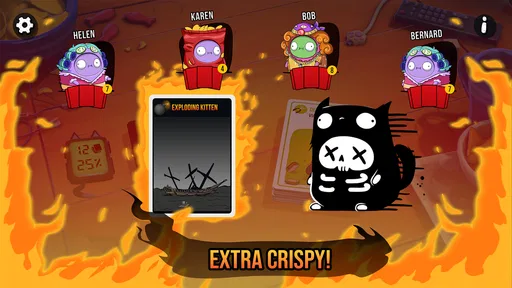
Exploding Kittens® 2 is a digital card game based on the popular Exploding Kittens tabletop game. It combines luck, strategy, humorous illustrations, and unpredictable attacks in fast multiplayer matches. Players draw cards while trying to avoid an Exploding Kitten, using action cards to skip turns, attack opponents, peek at the deck, or defuse danger before it is too late.
How does a match in Exploding Kittens® 2 work?
At the beginning of a match, each player receives cards and takes turns drawing from the central deck. The main objective is to remain in the game while opponents are eliminated by drawing an Exploding Kitten. Fortunately, Defuse cards can save you, while other cards let you manipulate the deck, force opponents to take extra turns, or create unexpected combinations that can completely change the outcome of a round.
Can I play Exploding Kittens® 2 with friends or other players online?
Yes, Exploding Kittens® 2 is designed around multiplayer entertainment and lets you compete with friends or other players, depending on the available game modes and platform features. Playing with people you know is particularly enjoyable because the game encourages bluffing, revenge, and playful competition. An internet connection may be required for online matches and certain connected features.
Is Exploding Kittens® 2 suitable for children?
Exploding Kittens® 2 has a colorful cartoon presentation and simple rules, making it approachable for many younger players. However, parents should check the official age rating before downloading because online interaction, in-app purchases, advertisements, or account-related features may vary by device and region. The game is more enjoyable when children understand that its competitive jokes and elimination mechanics are purely fictional.
Is Exploding Kittens® 2 free to download and does it include purchases?
The availability and pricing of Exploding Kittens® 2 can differ between Android and iOS, as well as by country. Before installing, check the official store listing for the current download price and device requirements. The game may also offer optional in-app purchases or additional content. Reviewing purchase settings is recommended, especially if the application will be used by children or on a shared device.
Play our best games!


